" Introducing the VR6: A Useful Overview to Its Performance and Innovation" e
The VR6 engine stands apart in vehicle design. Its special style combines functions of both inline and V-type engines. With a compact plan of six cylinders, it accomplishes significant power outputs while staying fuel-efficient. This guide will discover the ins and outs of the VR6, from its efficiency capacities to its historical significance. As the automobile landscape evolves, the significance of the VR6 continues to ignite passion among enthusiasts and everyday chauffeurs alike.
The Unique Style of the VR6 Engine
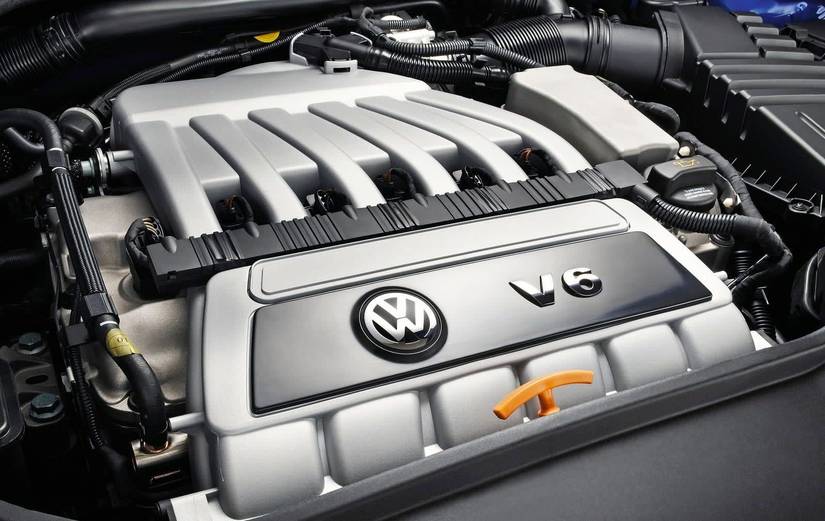
The VR6 engine stands out in the automobile landscape because of its ingenious style that incorporates the characteristics of both inline and V-type engines. This distinct configuration enables for a portable yet powerful engine design, including 6 cylinders arranged at a slim angle. By using a solitary financial institution of cylinders, the VR6 minimizes engine size, making it appropriate for automobiles with limited room. Furthermore, the engine achieves an equilibrium between efficiency and performance, providing smooth power distribution and an unique exhaust note. The style integrates advanced innovations such as variable shutoff timing, boosting both responsiveness and gas economy. Consequently, the VR6 engine has actually come to be a prominent option among lovers, using a mix of practicality and electrifying driving experience in different models.
Engineering Marvels: How the VR6 Functions
Including a special setup, the VR6 engine operates through a mix of innovative engineering concepts that make the most of efficiency and performance. Its design combines the features of both V and inline engines, allowing for a compact type that fits easily within tight engine bays. The engine includes a slim angle between the cyndrical tube banks, usually around 15 levels, which adds to its space-saving layout while preserving smooth operation. Additionally, the VR6 utilizes a solitary cyndrical tube head, lowering weight and complexity compared to typical V engines. This setup assurances peak combustion effectiveness and improves thermal management. The engine is geared up with advanced fuel injection systems and variable valve timing, additional enhancing its responsiveness and dependability, making it a notable success in auto engineering.

Performance Capabilities: Power and Torque
With power outcomes varying from 150 to over 300 horsepower, the VR6 engine showcases impressive performance abilities that attract both enthusiasts and daily drivers. This special engine arrangement supplies a harmonious equilibrium between performance and drivability, characterized by its smooth power delivery and durable torque. Torque figures normally vary from 150 to 300 lb-ft, improving acceleration and responsiveness throughout numerous driving problems. The VR6 engine's design permits a compact size without giving up power, making it ideal for a range of cars, from sporty sports cars to useful sedans. This versatility guarantees that vehicle drivers can enjoy perky driving experiences while gaining from the engine's trustworthy efficiency in daily situations, strengthening its online reputation in the vehicle landscape.
Fuel Effectiveness and Exhausts Factors To Consider
The VR6 engine's gas economic climate ratings play a crucial function in its general appeal, particularly in an age of increasing environmental recognition. Conformity with exhaust requirements is vital for manufacturers, as it influences market approval and regulatory authorizations. In addition, engine tuning can considerably influence both fuel performance and discharges, highlighting the demand for a balanced technique in efficiency optimization.
Fuel Economy Scores
Emission Standards Compliance
Emission standards conformity stands for an essential facet of the VR6 engine's design and performance. Engineered to fulfill stringent policies, the VR6 integrates sophisticated technologies that reduce hazardous exhausts without sacrificing power. vr6. The combination of features such as catalytic converters and advanced fuel injection systems ensures that the engine can operate effectively while sticking to environmental standards. This conformity not just boosts the appeal of the VR6 in different markets yet additionally adds to its long-lasting sustainability. Furthermore, the emphasis on reduced discharges lines up with expanding customer need for greener lorries. As makers continue to innovate, the VR6 continues to be a proof of the balance in between efficiency and eco-friendly responsibility, fulfilling both regulative needs and consumer expectations
Engine Adjusting Influence
Tuning the VR6 engine can significantly affect both gas performance and emissions outcome. By changing parameters such as air-fuel ratio, ignition timing, and increase pressure, tuners can maximize engine performance to achieve better gas economic climate. A well-tuned VR6 might demonstrate improved throttle reaction and power shipment, which can eventually result in minimized fuel great site intake during routine driving conditions.
The tuning procedure should consider exhaust requirements, as aggressive adjustments may result in higher exhausts. Specific tuning techniques, such as the installation of aftermarket elements or software application, can boost engine performance while still abiding by regulations - vr6. Ultimately, a balanced method to tuning can generate a VR6 that performs effectively without jeopardizing environmental responsibilities
The VR6 in Automotive History
The VR6 engine has sculpted a notable particular niche in automotive history, standing for a distinct blend of performance and small style. Presented by Volkswagen in the very early 1990s, it combined the most effective qualities of inline and V engines, providing a narrow-angle arrangement that enabled a shorter engine block. This design assisted in combination into a variety of vehicles, from the Golf to the Passat, while keeping a powerful efficiency account. The VR6 obtained praise for its distinct sound, smooth procedure, and outstanding torque distribution, appealing to lovers and daily vehicle drivers alike. For many years, it has been a foundation in Volkswagen's schedule, influencing engine growth and setting criteria for performance in portable automobiles. Its heritage remains to reverberate in the automotive world.
Tuning and Modifications for Enhanced Efficiency
Lots of enthusiasts seek tuning and modifications to launch the complete possibility of the VR6 engine, transforming its already remarkable efficiency qualities. Common adjustments consist of upgrading the consumption and exhaust systems, which boost air movement and boost throttle response. Many select ECU remapping to optimize gas shipment and ignition timing, causing enhanced horsepower and torque. Mounting a high-performance turbocharger can greatly improve engine output, making it a popular selection amongst tuners. Additionally, tweak suspension and brakes warranties that improved power is matched by enhanced handling and quiting capacities. Aftermarket intercoolers and updated fuel systems better sustain these modifications, permitting for sustained efficiency enhancements. On the whole, these tuning choices give VR6 fanatics with a customized driving experience tailored to their performance desires.
The Future of the VR6 Engine
As automobile technology continues to evolve, the future of the VR6 engine stays a subject of intrigue amongst fanatics and suppliers alike. This one-of-a-kind engine setup, understood for its portable layout and smooth efficiency, is facing challenges from arising choices such as electrical and hybrid powertrains. Nevertheless, the VR6's distinctive audio and character maintain a dedicated following. Manufacturers might check out developments in materials and turbocharging to improve efficiency and performance, guaranteeing the VR6 remains appropriate in the competitive automotive landscape. Furthermore, potential adjustments for crossbreed systems might prolong the engine's life expectancy. Eventually, while the VR6 engine's future might be unclear, its legacy remains to influence technology and interest within the automotive area.

Frequently Asked Concerns
What Vehicles Frequently Include the VR6 Engine?
The VR6 engine is typically discovered in various Volkswagen and Audi models, consisting of the Golf, Passat, and Jetta, in addition to the Audi A3 and A4, showcasing its flexibility and performance in numerous applications.
Exactly how Does the VR6 Contrast to Inline and V Engines?
The VR6 engine uses a portable design check that that combines qualities of both inline and V engines, offering an equilibrium of level of smoothness and power. Its distinct arrangement enables reliable space usage without giving up efficiency.
What Are the Typical Concerns With VR6 Engines?
Usual issues with VR6 engines consist of oil leakages, timing chain tensioner failures, and coolant system troubles (vr6). Additionally, some systems experience the original source intake manifold problems and prospective getting too hot, which can cause substantial performance reductions and repairs
Can the VR6 Engine Be Exchanged Into Other Vehicles?
Yes, the VR6 engine can be swapped right into different vehicles, frequently requiring customized places and adjustments. Lovers frequently seek this swap to enhance performance, though compatibility and technical challenges must be meticulously thought about beforehand.
What Is the Expense of a VR6 Engine Substitute?
The cost of a VR6 engine replacement commonly varies from $3,000 to $7,000, relying on elements like labor, components high quality, and whether it's a brand-new or made use of engine. Rates might differ by location and automobile version.
The VR6 engine stands out in the automobile landscape due to its cutting-edge layout that incorporates the attributes of both inline and V-type engines. Its style integrates the features of both V and inline engines, permitting for a small form that fits conveniently within limited engine bays. Introduced by Volkswagen in the very early 1990s, it combined the finest attributes of inline and V engines, using a narrow-angle arrangement that permitted for a much shorter engine block. The VR6 engine supplies a small design that combines characteristics of both inline and V engines, supplying an equilibrium of level of smoothness and power. The expense of a VR6 engine replacement generally ranges from $3,000 to $7,000, depending on elements like labor, components high quality, and whether it's a brand-new or utilized engine.
Comments on “How the vr6 engine offers reliability and efficiency”